
Bitcoin one percent controls all circulating
How to buy Dogecoin

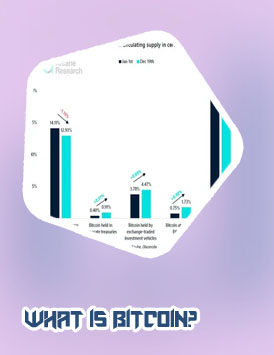
Bitcoin's decentralized nature was once touted as a revolutionary feature that would democratize wealth distribution. However, recent studies have shown that a small percentage of individuals hold a disproportionately large amount of the cryptocurrency, leading to concerns about centralization. To address this issue and explore potential solutions, we have curated a list of four articles that delve into the topic of the one percent controlling a majority of the circulating Bitcoin.
Examining the Impact of Institutional Investors on Bitcoin Distribution
none
Strategies for Promoting Decentralization in the Bitcoin Ecosystem
none
The Role of Regulatory Measures in Balancing Bitcoin Ownership
The rapid rise of Bitcoin as a globally traded digital currency has raised concerns about the need for regulatory measures to ensure a balanced and fair ownership landscape. As governments and financial institutions grapple with the challenges posed by the growing popularity of cryptocurrencies, the role of regulations has become a crucial topic of discussion.
One of the key reasons why regulatory measures are essential in the world of Bitcoin ownership is to prevent illegal activities such as money laundering and terrorist financing. The anonymous and decentralized nature of Bitcoin transactions makes it an attractive option for criminals looking to evade detection. By implementing robust regulations, governments can track and monitor the flow of digital currencies to curb illicit activities.
Furthermore, regulatory measures can also help protect investors from fraudulent schemes and market manipulation. Without proper oversight, the volatile nature of the cryptocurrency market can expose investors to significant risks. By establishing clear guidelines and rules, regulators can safeguard the interests of investors and promote a more stable environment for Bitcoin ownership.
In recent years, countries like the United States, Japan, and South Korea have taken steps to introduce regulations that aim to strike a balance between innovation and consumer protection in the cryptocurrency space. These measures have been welcomed by industry players and investors alike, as they provide clarity and legitimacy to the burgeoning sector.
Community-driven Initiatives to Foster Greater Bitcoin Accessibility
Introduction In recent years, the rise of Bitcoin has sparked interest and investment from individuals around the world. However, for many potential users, the complexities and barriers to entry in the world of digital currency can be daunting. This has led to a growing movement of community-driven initiatives aimed at making Bitcoin more accessible to a wider audience.
Community-driven initiatives such as Bitcoin meetups, educational workshops, and online forums have been instrumental in fostering greater understanding and acceptance of Bitcoin. These initiatives provide a platform for individuals to come together to learn, share knowledge, and collaborate on projects that aim to drive adoption of Bitcoin.
One such initiative is the Bitcoin Education Project, which aims to provide free resources and education to individuals interested in learning more about Bitcoin. By hosting workshops, webinars, and meetups, the Bitcoin Education Project has helped to demystify Bitcoin and empower individuals to take control of their financial future.
Another notable initiative is the Bitcoin Accessibility Initiative, which focuses on improving the user experience of Bitcoin wallets and exchanges for individuals with disabilities. By working with developers and advocates, the Bitcoin Accessibility Initiative has made significant strides in ensuring that all individuals have equal access to the benefits of Bitcoin.
Pages
- 1
- 2
- 3
- 4
- 5
- 6
- 7
- 8
- 9
- …
- next ›
- last »